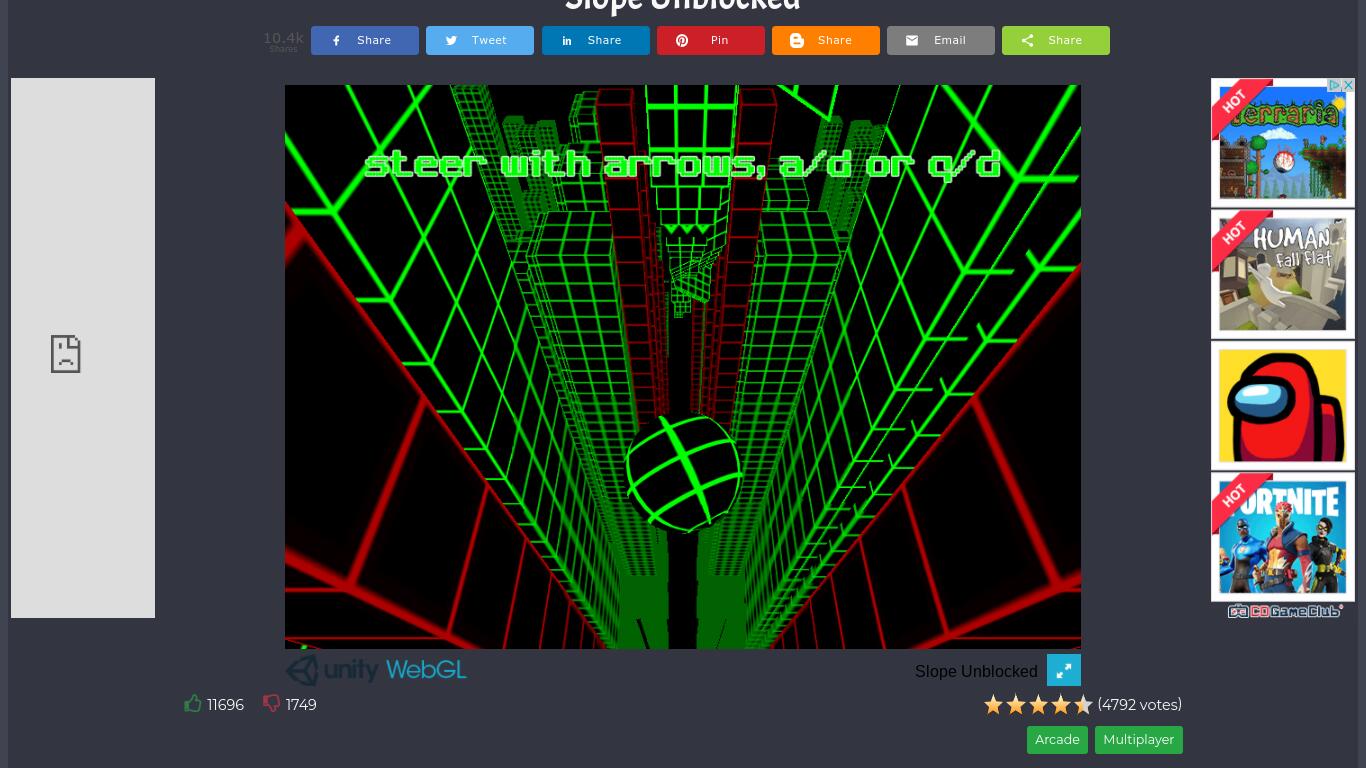
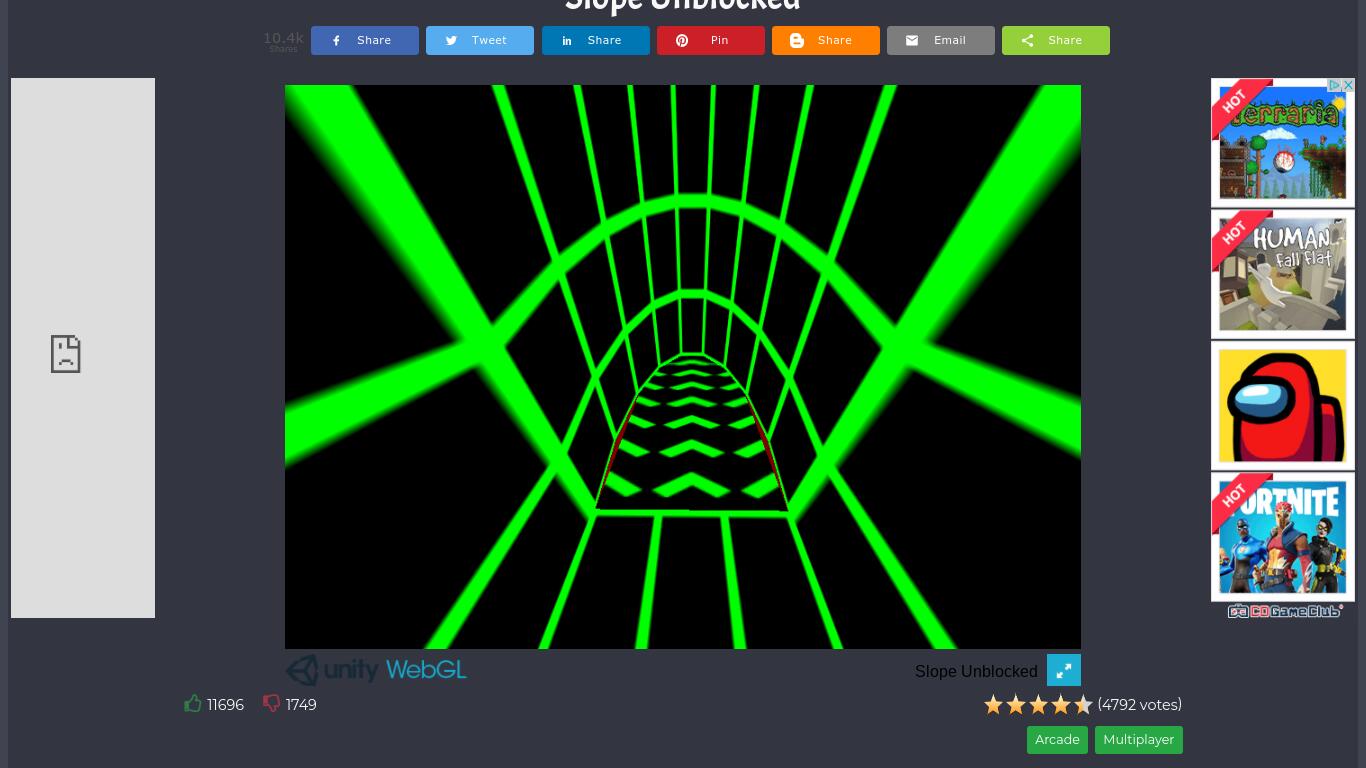
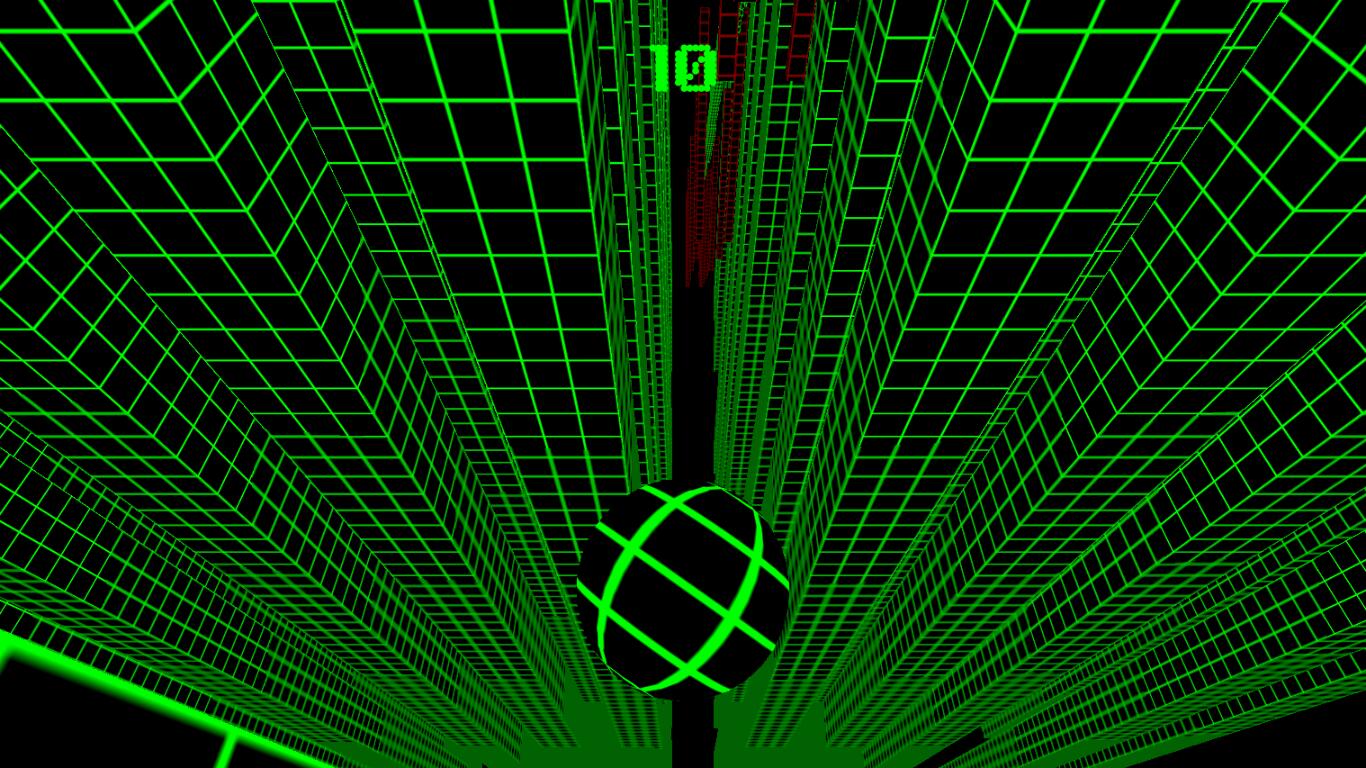
Y8 lists Slope as added on 30 September 2014. Historical Y8 forum captures show the classic neon course, old menu and credit-screen details, but community reports should not be confused with a current official changelog.
2014 browser-game context
Slope belongs to the era when Unity Web Player content was moving toward WebGL delivery in modern browsers. The recognizable version uses a black-and-neon presentation, a rolling ball, red hazards and a score-focused survival loop. The game became widely mirrored and re-hosted, which is one reason different pages can present different wrappers, versions or attribution labels.
What is stable across sources
The durable description is the gameplay: left/right steering, an automatically advancing ball, 3D track geometry, lethal hazards, increasing pressure and a score tied to continuing the run. Those facts are more useful to a player than trying to merge every old mirror into one undocumented release history.
What should be treated cautiously
Old forum posts report individual credit names from the in-game credits screen, while the current Y8 listing identifies Y8 Studio. Those are not necessarily contradictory because “developer,” “publisher,” studio label and in-game contributor credit can refer to different roles. This site records both in owner documentation and avoids inventing a single simplified credit line.
Why versions matter
A browser game can keep the same public title while its hosting wrapper, input handling, mobile support or account features change. Guides on this site therefore describe observed core mechanics and label version-sensitive claims instead of assuming a 2021 screenshot proves every detail of the current build.
When was Slope released?
Kongregate lists the game as released on September 29, 2014 and last updated there on September 30, 2014. Y8 lists Slope as added on September 30, 2014. Those adjacent dates are consistent with a late-September 2014 browser release window, but they refer to different portal records rather than one universal timestamp.
That is why “Slope 2014 game” is a useful historical description, while claims about later mirrors, mobile wrappers or portal-specific updates need their own dates. This site does not construct a fictional patch chronology where no dated source exists.
Why the original listing matters
The Kongregate page is especially valuable because it identifies robkaySF as developer and gives a concise contemporary description: a randomized slope, avoidance and high-score survival. Current Y8 material is more detailed about modern browser play, increasing speed, touchscreen/mobile tags and current portal attribution. Reading both prevents a later host description from erasing earlier release context.
What the historical record does not prove
A release listing does not prove that today's embedded build is byte-for-byte identical to the 2014 upload. Portal wrappers, browser technology, account features and mobile support can change while the game name and core loop remain recognizable. For that reason, current compatibility advice is based on current hosting evidence, while the 2014 records are used for release context.
Apply Slope Game History in a normal run
Use a short block of runs to translate the idea into a cue you can actually recognize while the ball is moving. For Slope Game History, keep the first visible principle in mind: 2014 browser-game context. Then use what is stable across sources as the second checkpoint, so the test covers both the initial choice and what follows from it.
Keep the input method constant for several tries. The generated route will vary, so compare decision quality instead of expecting the same geometry. Look for smaller corrections, earlier commitment and a calmer exit as evidence that the technique is transferring between different sections.
If the run still breaks down, separate recognition, timing and follow-through. You may see the right route but commit late, or commit correctly and keep steering after the useful movement is finished. Fix the first failing layer rather than treating the entire sequence as one problem.