Use a wide section to make short left and right taps. Learn how far the ball continues drifting after release before you worry about score.
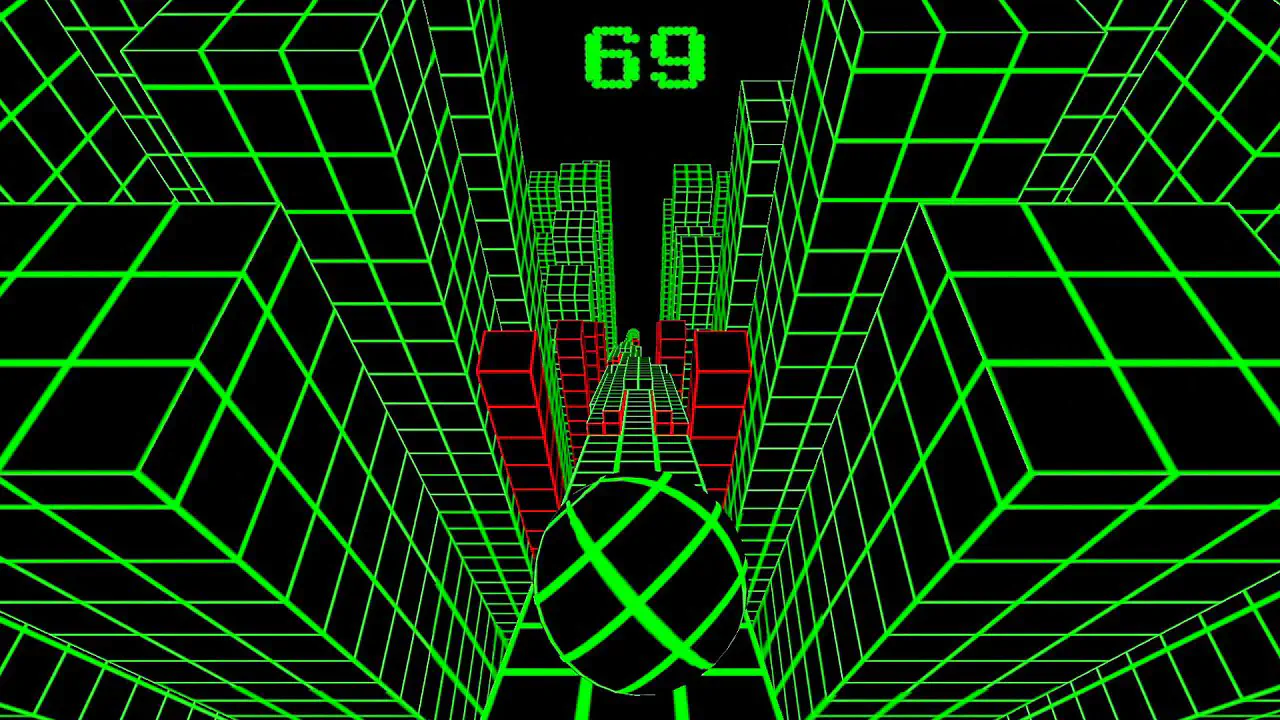
Runs 1–2: learn the steering response
The practical value of slope Beginner Guide: Your First 10 Runs is anticipation. Slope continues moving while you decide, so early route information gives you time to make smaller, more controllable inputs instead of relying on reflex alone.
Runs 3–4: recover toward usable space
After avoiding a hazard, return toward a line that leaves room on both sides when possible. Edge-hugging removes one escape direction before you know what comes next.
Diagnose slope Beginner Guide: Your First 10 Runs by asking three questions: did the input register, did you read the feature correctly, and did the chosen line leave enough room afterward? Those questions point to the most relevant controls, obstacle or strategy guide.
Runs 5–7: move your eyes forward
Stop staring at the ball. Look toward the next pieces of track and use peripheral vision for your current position.
Runs 8–10: diagnose one cause
After a crash, name the earliest controllable mistake: late steering, overcorrection, poor landing angle or entering a narrow section off-center. One precise diagnosis is better than ten identical restarts.
Practical checklist
- 01Confirm the game frame has keyboard focus before diagnosing steering.
- 02Use short left/right corrections and release between them.
- 03Look ahead to upcoming geometry rather than staring at the ball.
- 04After a crash, identify the earliest decision that reduced your options.
Apply Slope Beginner Guide: Your First 10 Runs in a normal run
A strong practice session turns this topic into evidence by comparing similar attempts instead of relying on one memorable save or crash. For Slope Beginner Guide: Your First 10 Runs, keep the first visible principle in mind: Runs 1–2: learn the steering response. Then use runs 3–4: recover toward usable space as the second checkpoint, so the test covers both the initial choice and what follows from it.
Start with enough track width to observe cause and effect clearly. Once the behavior is predictable, carry the same cue into a faster section. The test is whether the decision still produces margin when reaction time shrinks, not whether the key press lasts the exact same number of milliseconds.
Judge progress by repeatability. One successful pass proves only that the line was possible; several calmer exits show that the decision is becoming reliable. Once that reliability appears, return to normal score attempts and see whether the habit survives without conscious rehearsal.