At higher speed, large holds create oscillation. Use a small correction, release, observe the line, then correct again only if the route still demands it.
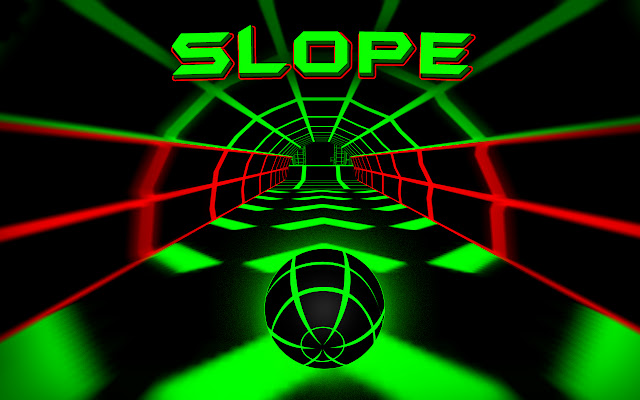
Reduce steering amplitude
For advanced Slope Strategy for High-Speed Runs, useful advice has to affect the decision before the ball reaches danger. Earlier visual scanning and smaller steering corrections usually create more options than a last-second rescue, especially as the run becomes faster.
Plan the exit before the obstacle
A dodge is incomplete if the ball clears the hazard but exits toward an edge. Judge routes by the position and drift they leave for the next section.
A repeated problem with advanced Slope Strategy for High-Speed Runs is easier to fix when you isolate whether it came from the device, the track or the decision itself. Use the site's controls, obstacle and strategy sections as separate troubleshooting layers.
Treat landings as setup moments
A landing determines both survival and the starting line for what follows. Stable contact is usually more valuable than a flashy shortcut.
Know when not to steer
Unnecessary input is a real mistake. If the current line is safe, waiting half a beat can preserve stability better than making a correction just because the scene looks fast.
Practical checklist
- 01Confirm the game frame has keyboard focus before diagnosing steering.
- 02Use short left/right corrections and release between them.
- 03Look ahead to upcoming geometry rather than staring at the ball.
- 04After a crash, identify the earliest decision that reduced your options.
Apply Advanced Slope Strategy for High-Speed Runs in a normal run
Make the advice measurable by choosing a single moment in the run where it should improve entry, steering or exit quality. For Advanced Slope Strategy for High-Speed Runs, keep the first visible principle in mind: Reduce steering amplitude. Then use plan the exit before the obstacle as the second checkpoint, so the test covers both the initial choice and what follows from it.
Run one attempt normally, then repeat with the page's main cue applied before the feature becomes urgent. A third attempt should keep the same cue but shift attention to what happens after the feature. This three-run comparison is more informative than changing several habits at once.
If the run still breaks down, separate recognition, timing and follow-through. You may see the right route but commit late, or commit correctly and keep steering after the useful movement is finished. Fix the first failing layer rather than treating the entire sequence as one problem.