SLOPE / BROWSER GAME

Slope Unblocked: Play the Slope Game Online

Play Slope in your browser and use a detailed guide to controls, high scores, obstacles, WebGL performance, Chromebook play and advanced route-reading. The site separates real game mechanics from browser-access questions so every section answers a specific player need.

2-way steeringLeft / Right · A / DEndless runNo fixed finish lineRising speedLess reaction time
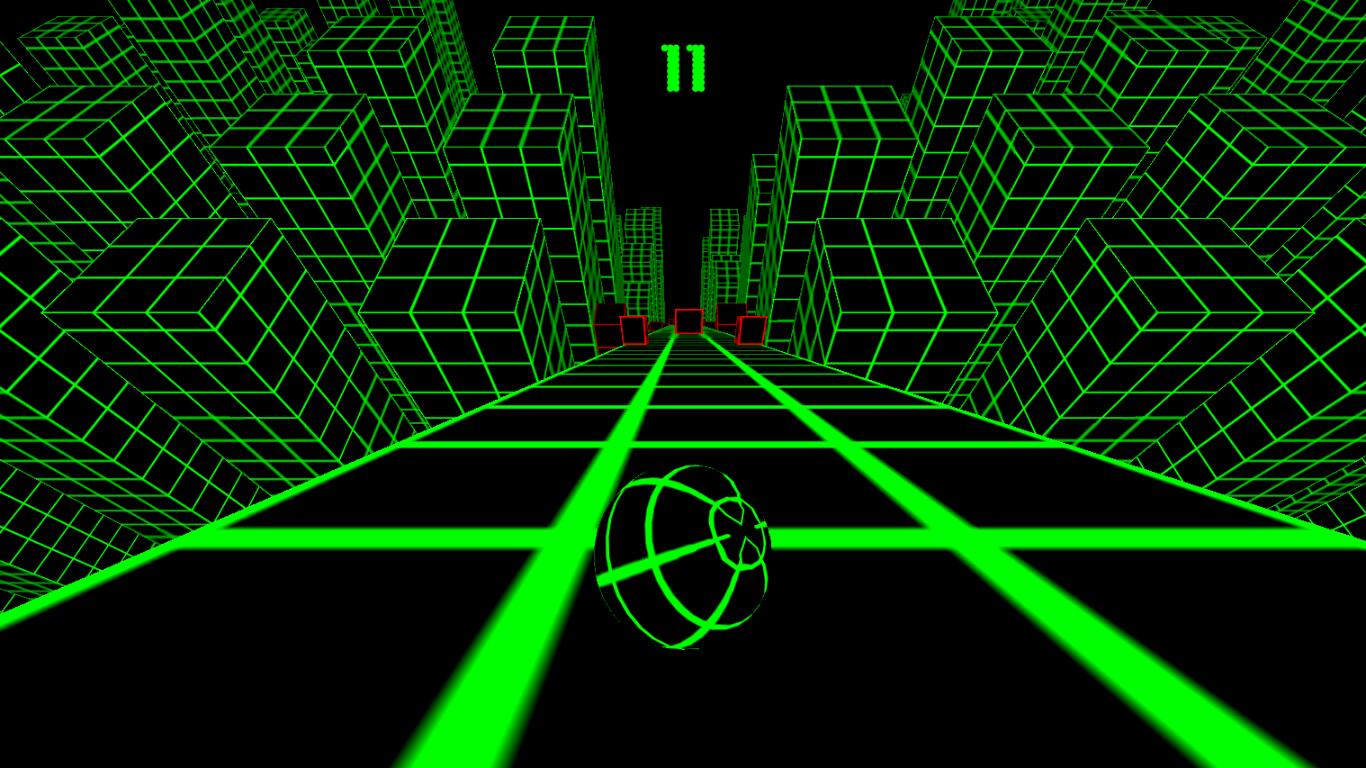
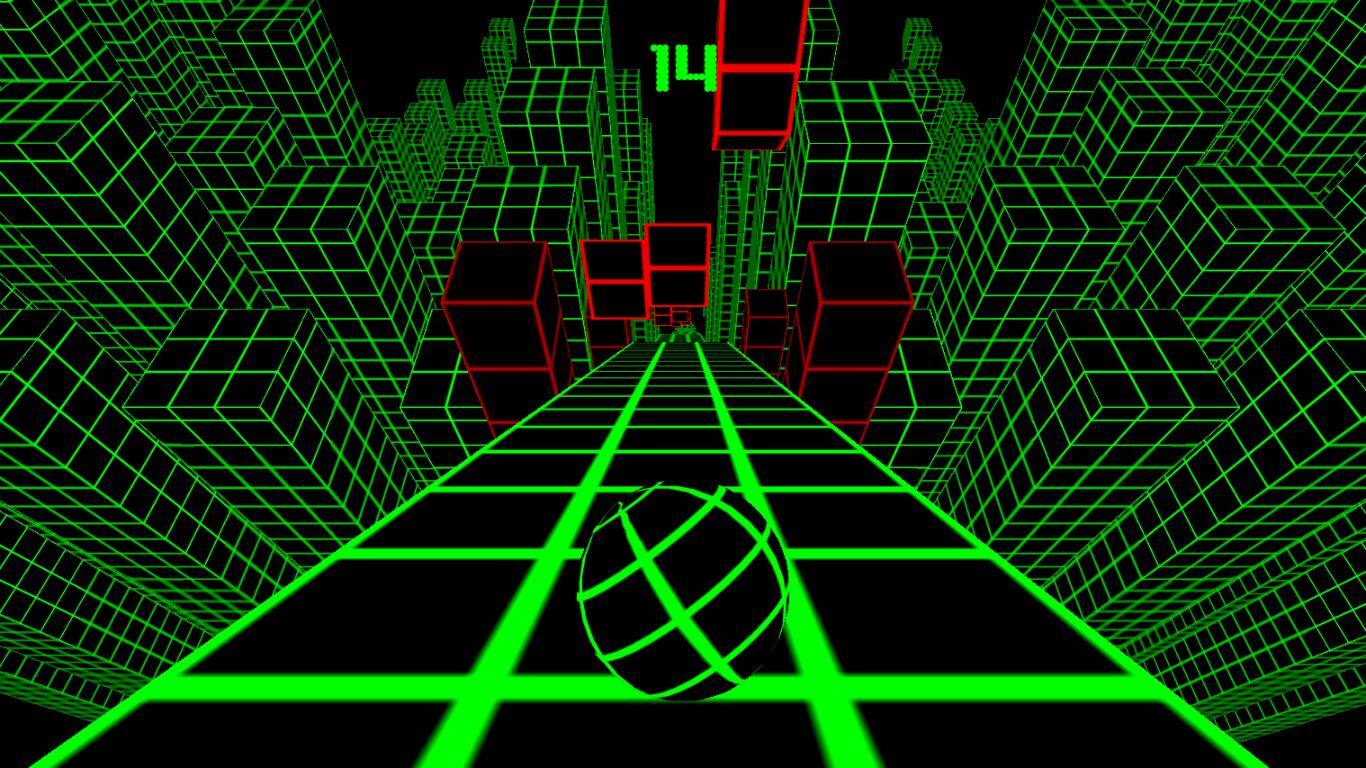
Slope gameplay with a neon green track and rolling ball
Slope gameplayRead the line before the speed removes your options.
Slope game guide

What is Slope Unblocked?

Slope Unblocked is a common name players use when looking for the browser version of Slope, the fast 3D rolling-ball game built around automatic forward motion and left/right steering. The goal is to stay on the green track, avoid red obstacles and gaps, and keep the run alive as the speed rises. There is no fixed finish line, so every attempt becomes a personal test of control, route reading and reaction time.

The phrase Slope game unblocked does not guarantee that a particular school or workplace network will allow the game host. This site does not bypass filters or managed-device policy. It explains how browser access works, what a Chromebook needs, how WebGL affects loading, and how to tell a network restriction from a game or browser problem.

If you are new, start with how to play Slope and the Slope controls. If you already know the basics, use the Slope high-score guide, track and obstacle atlas, or advanced Slope strategy.
Run anatomy

What actually happens during a Slope run?

A useful way to understand the game is to split every few seconds into four decisions. The sequence repeats, but faster and with less room for recovery as the run develops.

  1. 01

    Scan

    Move your attention beyond the ball. Identify the next bend, obstacle cluster, gap or landing before you reach the point where only a reflex correction is possible.

  2. 02

    Choose a corridor

    Decide where you want the ball to enter the next feature. The safest line is often the one that preserves space on both sides after the obstacle, not simply the shortest line through it.

  3. 03

    Steer with a measured input

    Short presses make it easier to stop adding lateral movement. Long holds can solve the first problem while creating the next one on the opposite edge.

  4. 04

    Stabilize before the next demand

    After a dodge, turn or landing, reduce unnecessary sideways motion. A stable exit gives you a cleaner starting point for whatever the randomized track presents next.

Visual read

Learn to recognize danger earlier

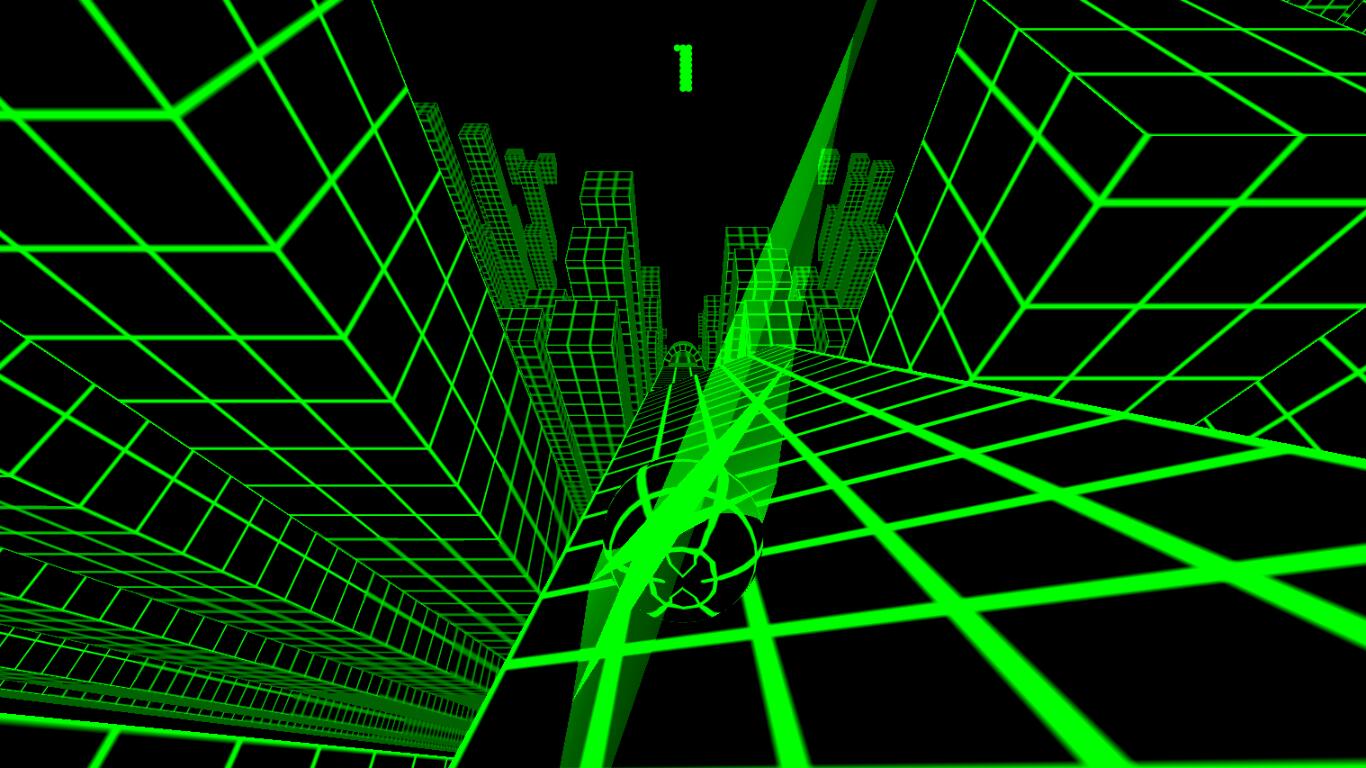
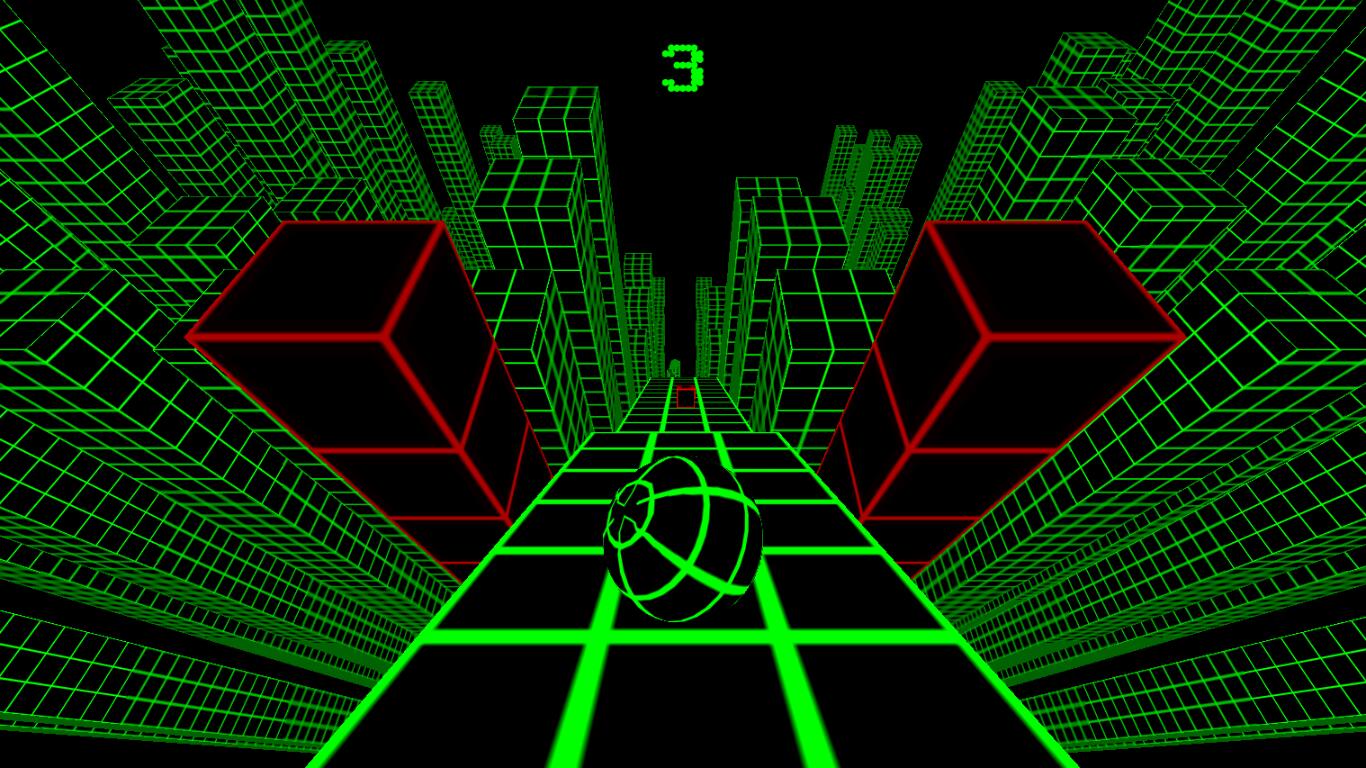
These real gameplay captures show why Slope is more than a two-key reaction test. Track width, perspective and obstacle position change the amount of space available for the next correction.

Controls

Simple keys do not mean simple control

Most new players learn the key bindings in seconds and then spend much longer learning how much input is enough. The useful distinction is between steering toward a target line and holding a direction until the ball looks centered. At low speed those can feel similar; at high speed the second habit produces overshoot.

Use the Slope controls section to choose Arrow keys or A/D, understand alternate Q/D support in some builds, and solve cases where the page scrolls instead of the game receiving input. The small-tap guide explains why reducing input duration is usually more reliable than trying to make a dramatic counter-steer.

High score

Distance comes from reducing avoidable crashes

There is no useful “secret key” that creates a high score. Longer runs come from keeping more situations recoverable. Center when the route is open, shorten steering inputs as the pace rises, decide before narrow features, and learn the exact reason the previous run ended.

The Slope high-score guide turns those principles into a run plan. If you want a shorter routine, use the 10-minute practice session: one warm-up run, one steering drill, one vision drill and two normal attempts.

Browser play

Play online without hiding technical limits

Slope is a WebGL browser game. The launcher on this site loads only after you press Play, which keeps the article usable before the external game client starts. Browser support, network rules and the game provider can still affect loading.

More to play

Games like Slope

The closest alternatives are not chosen by neon color alone. They are compared by rolling-ball control, precision, obstacle reading, speed pressure and browser play.

Quick answers

Slope FAQ

These are the questions that matter before or after a run. Detailed answers link to the appropriate guide instead of repeating the same content everywhere.

What are the controls in Slope?

Use Left/Right Arrow or A/D to steer. The ball moves forward automatically, so the main skill is lateral control.

Does Slope have a jump or brake button?

The classic browser build is centered on left/right steering. Track geometry creates launches; there is no normal manual jump or brake control.

Why does Slope get harder?

The run becomes more demanding as speed rises and the randomized route presents turns, gaps and obstacles with less decision time.

Can I play Slope in a browser?

Yes. This site provides a click-to-load browser launcher and guides for WebGL, fullscreen, Chromebook and loading issues.

What is the best way to improve a Slope high score?

Prioritize survival: use small steering corrections, look farther ahead, enter narrow sections on a stable line and review why each run ended.

Slope gameplay

Why the game stays difficult after the controls are obvious

Slope gameplay is built from a small input set and a changing stream of geometry. The difficulty comes from timing, speed, perspective and the need to preserve recovery room for whatever appears next.

👀

Read space before reacting

The ball occupies only part of your attention. The useful information is farther up the route: track width, red blocks, openings, ramps and the direction of the next landing. Seeing those details earlier converts a panic correction into a planned line.

At low speed, late steering can still work. As the pace rises, the same delay produces a larger problem because there is less time to observe the result and reverse it.

↔️

Steering has carry

A left or right input changes the ball's lateral path. Releasing the key does not magically place the ball in the center, so experienced runs use shorter inputs and neutral moments rather than constant oscillation.

🧱

Geometry changes the answer

A wide platform, tunnel, gap and narrow landing do not ask for the same line. Good decisions are conditional: the safest position is the one that makes the next feature manageable.

⚡

Speed turns small errors into run-ending errors

Slope gets harder as the ball moves faster and the track presents tighter decisions. This is why high-score attempts benefit from early route reading and calm corrections more than from simply pressing keys faster.

If a run repeatedly ends in the same way, use the practice section to isolate that failure—late turns, oversteer, unstable landings, edge drift or technical input loss—and train one cause at a time.

Player roadmap

Build Slope skill in five layers

You do not need to read ninety pages in order. Use the site as a field manual: start with the layer that matches your current problem, then follow the links that explain its dependencies.

  • 01

    Controls

    Confirm that Left/Right Arrow or A/D reliably move the ball and that the browser is not stealing focus. Then learn the difference between tapping, holding and releasing.

  • 02

    Track recognition

    Learn how gaps, red blocks, ramps, tunnels, narrow sections and transitions change the amount of safe steering space.

  • 03

    Mechanics

    Understand acceleration, randomized route structure, collision consequences, lateral carry and why the lack of a normal brake changes how early you must decide.

  • 04

    Strategy

    Combine vision and control into route reading: choose a corridor, use the smallest sufficient correction, and leave the previous obstacle in a stable state.

  • 05

    Score and practice

    Use personal bests as feedback, not as the only goal. Structured drills make it easier to identify why a score improved and whether the improvement is repeatable.

  • Game facts

    Slope in context

    The original Kongregate listing for Slope credits robkaySF, gives a release date of September 29, 2014, and describes the objective in very compact terms: descend a randomized slope, avoid death and chase a high score. The current Y8 listing dates its version to September 30, 2014 and labels the game as a WebGL browser title.

    Those records do not use identical attribution language, so this site keeps current portal labeling and historical developer evidence separate. The practical gameplay overlap is much clearer: left/right steering, a rolling ball, changing geometry, hazards and a survival-focused score loop.

    That distinction matters because many pages on the web reuse the word “Slope” for clones, remakes or later ball games. The guides here are scoped to the classic neon browser game and its documented control loop.