Slope is a 3D ball game with a narrow input set, but each correction determines where the ball will meet the next ramp, turn, gap or red block. Good play is less about pressing faster and more about preserving future options.
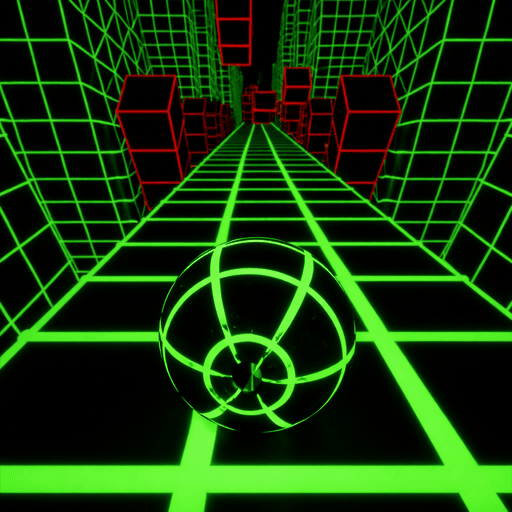
One movement axis, many decisions
Apply slope Gameplay: The Complete Run Loop before the crisis point. A decision made while the track is still readable is easier to control than a late dodge made after the ball has already committed to a poor line.
Why speed changes everything
As speed rises, the player has less time to recognize geometry and undo oversteer. Looking farther ahead becomes more valuable than staring at the ball.
Diagnose slope Gameplay: The Complete Run Loop by asking three questions: did the input register, did you read the feature correctly, and did the chosen line leave enough room afterward? Those questions point to the most relevant controls, obstacle or strategy guide.
What ends a run
A run ends when the ball leaves the usable track or hits a lethal red obstacle. The visible crash is often the final consequence of an earlier positioning error.
How score fits the loop
Score is a progress marker. Improvement is easier to see when you track both personal bests and the consistency of ordinary runs, not only one lucky attempt.
Practical checklist
- 01Confirm the game frame has keyboard focus before diagnosing steering.
- 02Use short left/right corrections and release between them.
- 03Look ahead to upcoming geometry rather than staring at the ball.
- 04After a crash, identify the earliest decision that reduced your options.
Apply Slope Gameplay: 3D Endless Runner & Rolling Ball Mechanics in a normal run
Use the next few runs as a controlled comparison so the advice can be judged by what it changes on screen. For Slope Gameplay: 3D Endless Runner & Rolling Ball Mechanics, keep the first visible principle in mind: One movement axis, many decisions. Then use why speed changes everything as the second checkpoint, so the test covers both the initial choice and what follows from it.
Use one normal run to identify the common failure, one practice run to move the response earlier, and one confirmation run to see whether the new timing still works when the route changes. If the third run requires a completely different rescue, the technique may not be stable yet.
Once the pattern is clear, stop over-analyzing it during every run. The purpose of practice is to make the cue simple enough that normal play can use it automatically while attention returns to the next visible part of the route.