How to Play Slope
How to play Slope from the first click: objective, controls, hazards, scoring, route reading, practice and the fastest path from beginner runs to consistent survival.
Learn the Slope run in a clean visual sequence
Start with the steering prompt, then compare it with an open section of track. Keeping the media together prevents the guide from splitting into an empty column while the explanation continues below.
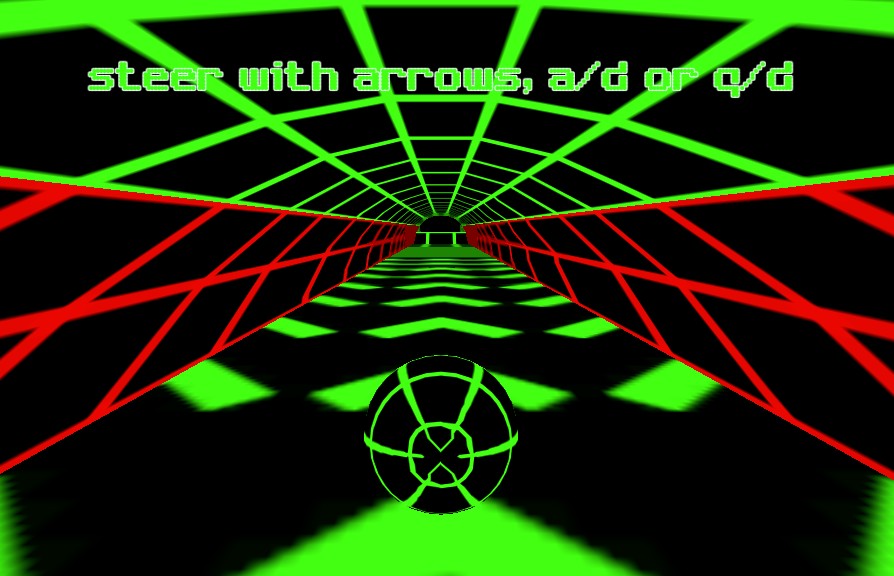
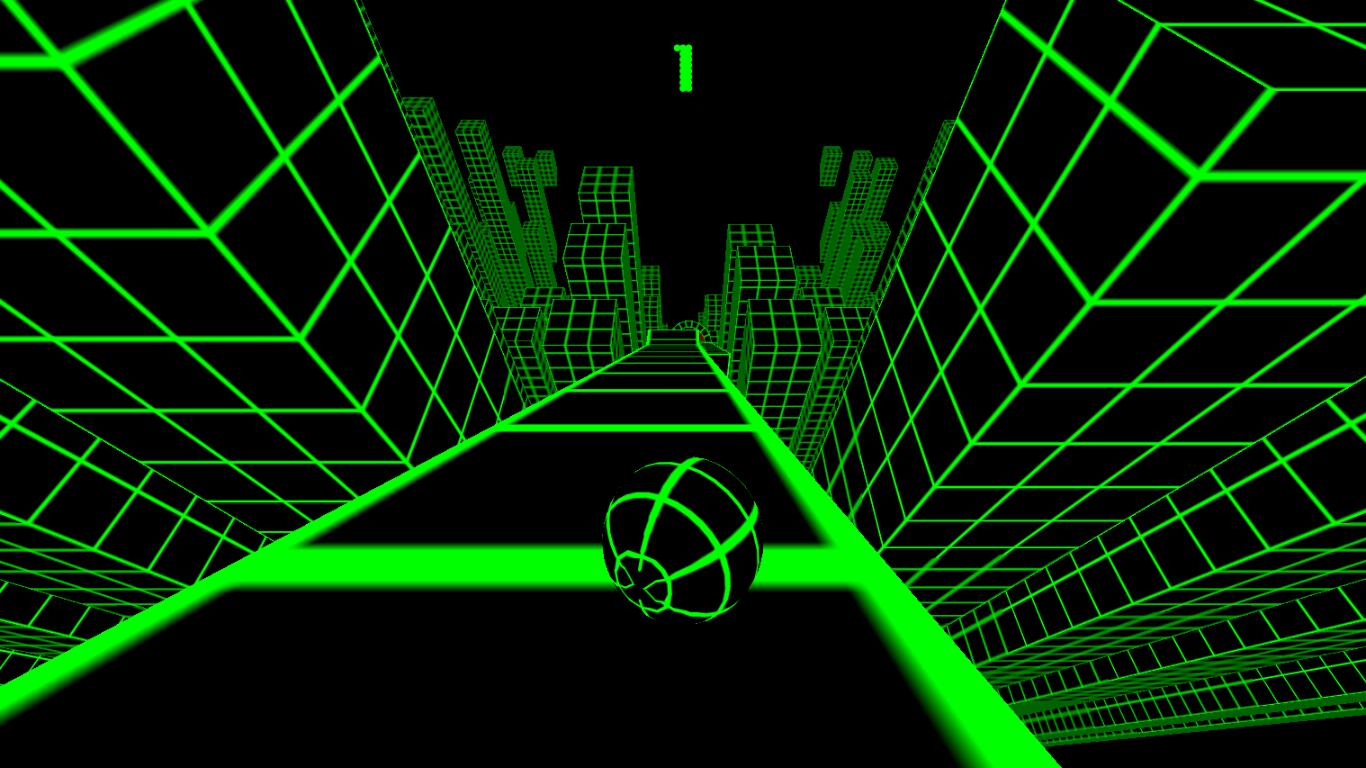
One run, from launch to game over
Slope starts with a ball that moves forward while you steer left and right. Your immediate job is to stay on the playable route and avoid run-ending red hazards. As distance builds, the pace becomes more demanding, so the same large steering correction that felt harmless at the beginning can become difficult to recover from later.
Current Y8 instructions use Left/Right Arrow or A/D. Miniplay also documents Q/A for left and E/D for right, so the keyboard-layout guide separates verified alternatives instead of assuming every portal shows the same prompt.
Beginner sequence
Learn the response
On wide track, make short left and right presses. Release early enough to notice how far the ball continues moving laterally.
Protect track width
When nothing forces a side, stay in a position that leaves escape room in both directions.
Move your eyes forward
Look toward the next obstacle or transition rather than waiting for it to reach the ball.
Shorten inputs at speed
As the run gets faster, begin decisions earlier and avoid stacking corrections.
What ends a Slope run?
Falling from the route and hitting lethal red hazards are the clearest run-ending events. The important lesson is that the crash is often caused one decision earlier: entering a gap off-line, landing with too much lateral carry, or switching sides after the safe corridor was already obvious.
That is why strong play is less about “faster reflexes” than it first appears. Reflexes matter, but early information and recoverable positioning give those reflexes time to work.
Your first five runs
Controls only
Ignore score. Learn how the ball responds to short and long presses.
Center and release
Use neutral moments instead of continuously holding a direction.
Look ahead
Shift attention farther up the route while keeping the ball in peripheral vision.
Land cleanly
Choose a landing zone before takeoff and reduce unnecessary sideways movement before contact.
Normal run
Combine the skills and review what ended the attempt.
Does Slope have jump?
If you ask “does Slope have jump,” the classic control scheme does not use a normal manual jump button. The ball can leave the surface because ramps, drops and track geometry launch it; the player's job is to choose the line and prepare the landing.
How to play Slope: keep the ball on the green track, steer around red hazards and gaps, and survive the rising speed for as long as possible.
Practical takeaways: How to Play Slope
Your first objective is not a high score; it is predictable control. Use open track to learn one short steering press, release and recovery, then keep enough space on both sides to react when the route narrows or a red hazard appears.
Once steering feels repeatable, move your visual attention farther ahead. Slope becomes easier to read when you choose the line before the ball reaches the obstacle instead of waiting for a last-second dodge.