Similar game

Slope Multiplayer

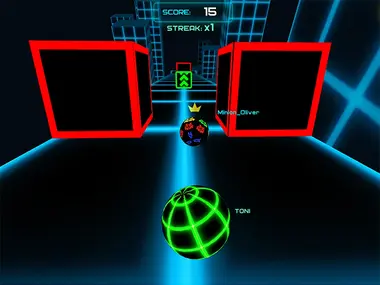
Slope Multiplayer compared with Slope: A direct multiplayer variation with rolling-ball steering, obstacles, speed pressure and competitive play. Learn the similarities, differences, controls and play it in the embedded browser launcher.

Slope Multiplayer gameplay thumbnail
🏁 SIMILAR GAME

Slope Multiplayer

Click Play to load the responsive browser embed inside the full game area.

Ready
Why it is here

How Slope Multiplayer compares with Slope

It keeps the Slope identity, neon rolling-ball control and obstacle avoidance while adding other players and boosters.

Competition and multiplayer flow change the decision context; the goal is not simply an isolated endless personal-best run.

What to focus on first

A direct multiplayer variation with rolling-ball steering, obstacles, speed pressure and competitive play. If you are coming from Slope, spend the first attempts learning what the game changes rather than forcing your existing Slope timing onto a different control model.

Controls and device expectations

The game is available as a browser title and adds multiplayer pressure to the familiar rolling-ball format. Start by learning the loaded client’s controls, then compare how competition and boosters change the safer solo decisions you would normally make in Slope.

Slope vs Slope Multiplayer

Slope vs Slope Multiplayer is the closest comparison in this section because both revolve around rolling a ball over unexpected slope platforms while avoiding obstacles. The multiplayer version adds competition, boosters and a different pacing context, so a line that is safe in solo practice may not be the only priority when another player is involved.

The transferable skill is early route reading. Look beyond the ball, identify the next opening and avoid spending all available track width on one correction. The new skill is managing that decision while the race context encourages faster, riskier choices.

Five-attempt plan

Use attempt one to understand the multiplayer start and camera. On attempts two and three, ignore aggressive racing and focus on clean steering. On attempt four, test a booster deliberately. On attempt five, combine pace with the same survival-first line discipline you use in Slope.

Who will enjoy this variation?

Choose Slope Multiplayer if the solo game's movement already feels comfortable and you want the same general ball-and-slope pressure with a competitive layer. It is less suitable as a first training tool because another player and boosters add variables that can hide whether a steering error came from your line choice or from race pressure.

For a fair comparison, play a few attempts without deliberately chasing risky boosts. Once you can hold a clean route, add the multiplayer decisions back in and notice which risks actually improve your position.

Decision comparison

In solo Slope, a conservative line is valuable because survival directly extends the run. In Slope Multiplayer, the same conservative line may preserve control but give up race position. Use that tension deliberately: first prove that you can finish a section cleanly, then decide where extra risk is justified by the opponent or a booster.

After three runs, compare not only the result but also the cause of each loss. If every failure comes from an aggressive correction rather than route difficulty, the multiplayer pressure is changing your decision quality more than the track itself.

Practical takeaways: Slope Multiplayer

Compare “Slope Multiplayer” with Slope by control model, forward motion, failure state, objective and pacing rather than by neon colors alone. A useful alternative should share at least one skill—precision steering, route reading, obstacle timing or recovery—while still making its differences clear.

Use “Slope Multiplayer” and “How Slope Multiplayer compares with Slope” to decide what transfers back to Slope. If the game adds levels, collectibles, multiplayer pressure or a launch mechanic, treat those as separate systems instead of assuming Slope strategy applies unchanged.