Find the floor
Use the near section to understand the track’s width. Then follow that surface forward. Background frames can look connected even when there is no platform beneath the route you are imagining.
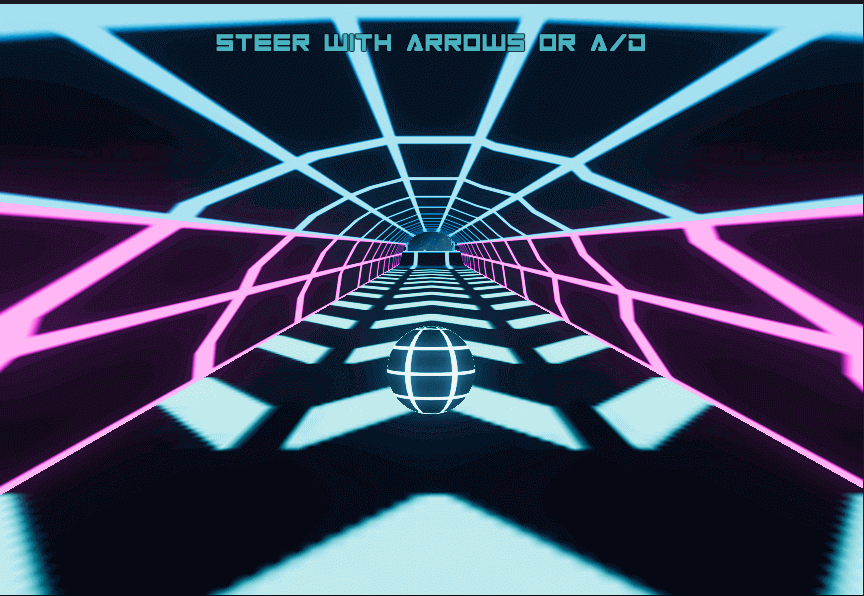
Play Slope 3 on its own blue-and-pink course. The ball keeps moving; your job is to separate the usable route from the bright scenery and arrive on the next platform under control.
Ready when you are. The game opens only after Play.
The scene is full of strong lines. Only some of them tell you where the ball can go. Look for the surface that continues into the next section, not the brightest shape in the view.
Use the near section to understand the track’s width. Then follow that surface forward. Background frames can look connected even when there is no platform beneath the route you are imagining.
Pick the join between your current section and the next one. A short route you can actually reach is more useful than a distant opening that ignores the ground in between.
Moving sideways changes your approach. Once you miss a hazard, look again rather than assuming the route you saw before the dodge is still lined up beneath the ball.
It is tempting to bring your expectations straight over from the green original. The broad idea is familiar: a rolling ball, automatic forward motion, and a run that ends when the route goes wrong. The visual cues are different enough that your first attempts should be about learning what the surfaces look like in motion.
On a wide, readable section, make one small left press and one small right press. Watch the gap between the ball and each edge. That gives you a reference for minor adjustments before a narrow join or a tunnel asks for more precise positioning.
Keep the displayed result from this game as your reference. Different Slope titles can present different courses and scoring behavior. A lower number here does not automatically mean you played worse than in another game.
| What catches your eye | Ask this | Use the answer |
|---|---|---|
| Bright wall or frame | Is there a floor leading to it? | Keep following solid surface rather than decorative geometry. |
| Red hazard | Where can the ball travel after passing it? | Choose an exit that still reaches the next section. |
| A narrow opening | Am I lined up before I reach it? | Set the approach early enough to avoid a sharp correction at the entrance. |
| A landing beyond a drop | Does my current line meet its width? | Judge the receiving surface, not just the empty space in front. |
Left Arrow or A moves left; Right Arrow or D moves right. Choose whichever pair feels comfortable and keep it through the attempt. Make the next change for the route, rather than switching finger positions during a close pass.
Click inside the frame if the page receives your key presses. The Fullscreen button expands the view; it does not change the steering sensitivity.
For one run, pay attention to tunnel entrances. On another, notice where the floor narrows. A single task makes it easier to identify what you misread when the run ends.
You do not need to turn this into a long practice session. One clear observation is more useful than an immediate restart with no idea what happened.
A busy scene can make you feel late even when the ball is already on a usable line. Before adding another press, check whether you are correcting a real problem or reacting to the scenery passing by.
If you want another layer of decisions after this visual challenge, Slope 2 puts gems and power-ups into the run. For a change of terrain and an actual jump input, try Slope Rider.
No. This page opens the title called Slope 3, with its own visual style and course. The original Slope player is on the home page.
No. Treat the actual platform surface as your guide. Decorative frames and background lines can be bright without providing anywhere for the ball to land.
Compare results from the same game and scoring conditions. A number from original Slope or another neon runner is not a direct benchmark for this course. Use the score-comparison checklist when judging a claimed result.
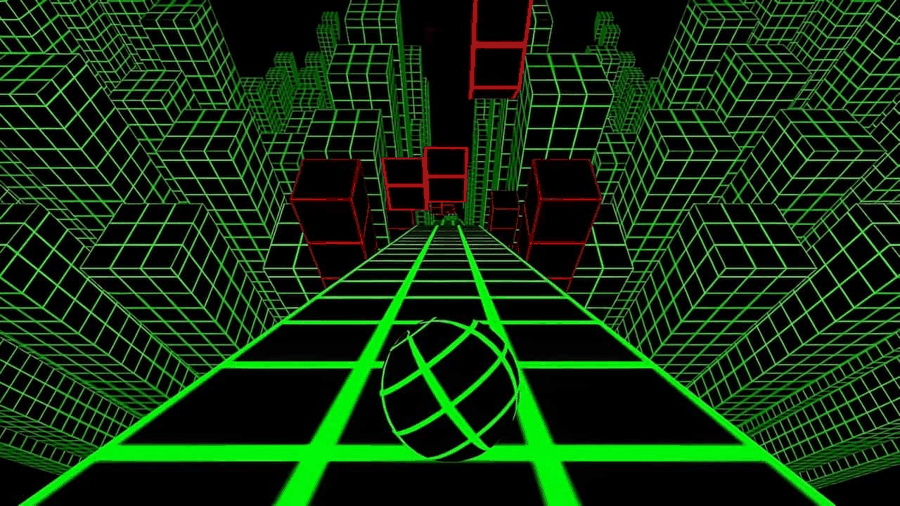
Reset your eye with the original green wireframe track and its simpler visual palette.
The original ball run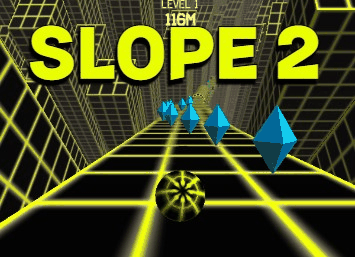
Add gems and shop items when you want a resource decision alongside the run.
Gems & power-ups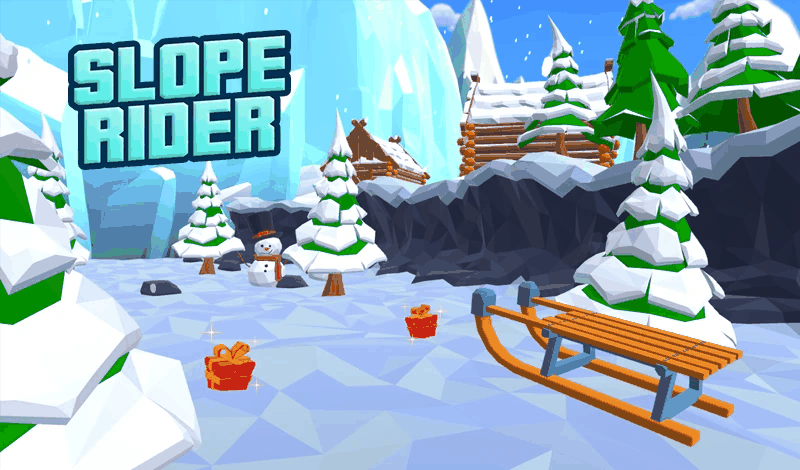
Leave the neon frames for winter terrain, obstacle jumps, and unlockable sleds.
Sleds & snow