Slope Ball
Slope Ball is a side-view platform game built around jump timing and form-changing portals. Click or press Up to jump, read the next obstacle, and adjust when the movement pattern changes.

Find the timing.
Ready when you are. The game opens only after Play.
This ball does a different job
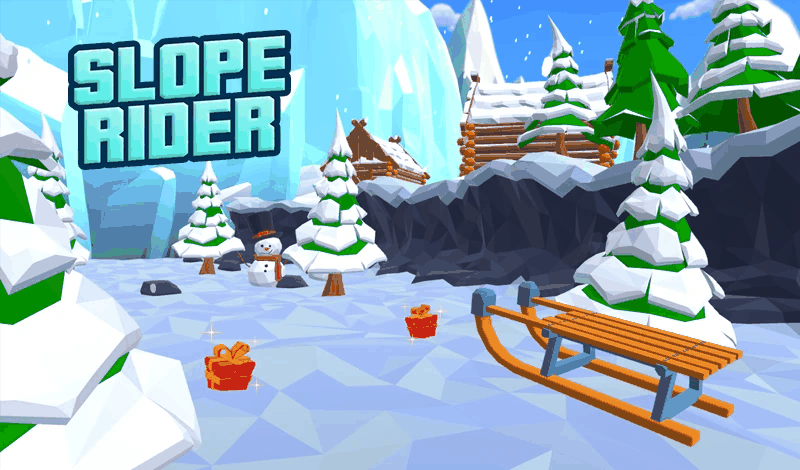
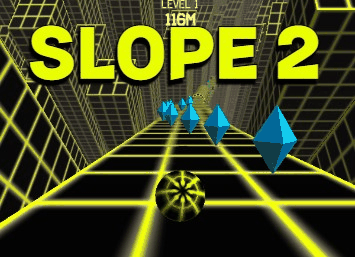
The Greenlight game on this page is the colorful 2D platformer titled Slope Ball. It is not the original endless 3D ball runner. Click or Up Arrow supplies a jump input; the challenge is timing that input through courses, obstacles, and portals.
A left/right route rule from original Slope does not explain this game. Watch the side-view approach and the usable ground beyond the obstacle. Your first useful question is when to begin the jump and what behavior applies after a portal, not which lane to steer into.
Read a jump in three beats
Locate the obstacle and the space beyond it. Read its shape before relying on a remembered rhythm.
Use click or Up as the documented jump command. Keep the same method while learning the timing.
Check the ground and the next obstacle. A cleared hazard can still leave an awkward landing or a new movement state.
If you miss, identify whether the jump began too early, too late, or under an unfamiliar form’s behavior. Change one part of the approach on the next attempt. More rapid clicking is not a substitute for knowing which event you are timing.
A portal is a movement checkpoint
Re-read the controls and motion after a change
Portals can change the character’s form and movement behavior. The same visual distance before an obstacle may no longer call for the same input rhythm. Give the new state a fresh observation rather than trying to force an earlier sequence through it.
After a portal, watch one complete movement response before reusing an earlier rhythm. Compare how the current form approaches the next obstacle and where it can arrive. If the familiar timing now fails, relearn that state rather than clicking through the old sequence faster.
Recognize the colorful platformer
Character art and playable form have different roles
The colorful round characters identify this side-view game. In a run, watch the current playable form and the next portal. Treat the stretch just after a change as a fresh timing problem, even when the obstacle shape looks familiar.
Use the options the loaded game presents
| Item | How to use it | Boundary |
|---|---|---|
| Click / Up Arrow | Primary documented jump inputs | The original Slope steering pairs do not transfer here. |
| Practice or checkpoint option, if shown | Repeat a difficult section and inspect one timing change | Do not assume every similarly named build offers the same menu. |
| Difficulty choice, if shown | Choose a readable starting point before increasing demands | No fixed numerical multiplier is claimed. |
| Portal or form change | Observe the new motion before reusing a rhythm | A previous section’s timing may no longer fit. |
A small timing experiment
Choose one obstacle in the current form. Watch the approach, make one intentional jump, and name the result: contact before clearance, a landing problem, or an unclear event after a portal. Keep your input method consistent while testing the next timing change.
For a broader choice between jumping, steering, and collecting games, use the game selector. If the game itself does not finish opening, report the loading stage rather than drawing a timing conclusion from a cover screen.