Practice Slope with one clear task
Repeating the game is easy; learning from the repetition takes a smaller target. Choose a feature you can observe, keep the controls familiar, and judge the task separately from the final score.
Build a compact practice session
The planner chooses a task from the options above. It does not watch the game or measure your performance. Keep the result beside your own observation; if the chosen feature never appears, you have not yet tested the task.
An ordinary section is enough for a useful drill
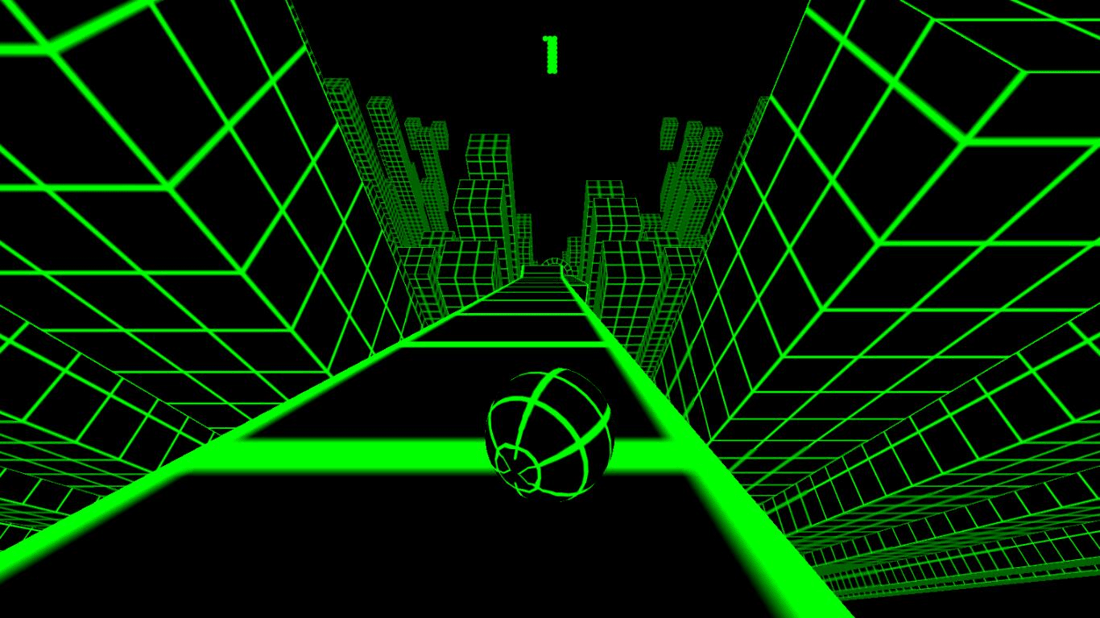
Start where the result is readable
Use a less crowded stretch to compare a short input with the movement after it. If you choose a tunnel drill, wait for a tunnel and judge only that entry. A later fall elsewhere does not erase an observed improvement in the target feature.
Keep the note smaller than the run
Task → observation → next change
Task: name the feature and one input you will change.
Observation: describe the first relevant event, including uncertainty.
Next change: keep the task, simplify it, or choose a different cause.
Example note: “I aligned before the tunnel and entered with room on both sides. The miss happened after the exit. Next task: find the receiving floor sooner.” This keeps the successful entry and the later mistake as two separate observations.
Change tasks for a reason
| Observation | Next choice |
|---|---|
| The same feature appeared, but you could not identify the input result | Simplify the drill and watch one moment. |
| The target improved while a later feature failed | Keep the observation; choose the later feature next. |
| The game stuttered or the keys lost focus | Pause technique work and diagnose the technical symptom. |
| You are restarting without remembering the ending | Finish or take a break before the notes become guesses. |
Do not rotate through every guide after every crash. A task needs a comparable opportunity before its result means much. At the same time, forcing a steering drill through an input failure teaches little. The cause should decide whether you repeat or switch.
Choose a task-specific reference
Return to the original player with one sentence in mind. If you cannot state what you will watch, shorten the task before starting. A clear observation is the session’s result; the score is additional information.