The final frame can show the ending without revealing where the mistake began. Work backward from the first event you saw, and keep uncertain details uncertain.
🕵️Three case files
↔️
Case A · A clean pass, then a side fall
The block was cleared, so repeating a larger dodge is unlikely to answer the right question. Review the end of the input and the floor left outside it. The earlier cause may be a long hold or a correction that started another cross-track move.
🟥
Case B · Red contact during a reversal
The visible collision happened late, but the route may have become difficult at the first direction change. Ask whether the second move was necessary, whether it began before the first had finished, and whether the intended lane still had floor.
🧩
Case C · Nothing hit, but the ball dropped
Look for the receiving platform. A side fall and a missed arrival can both look like empty space after the event. If you did not see the takeoff, do not turn the ending into a confident diagnosis.
A falling frame does not reveal the whole approach
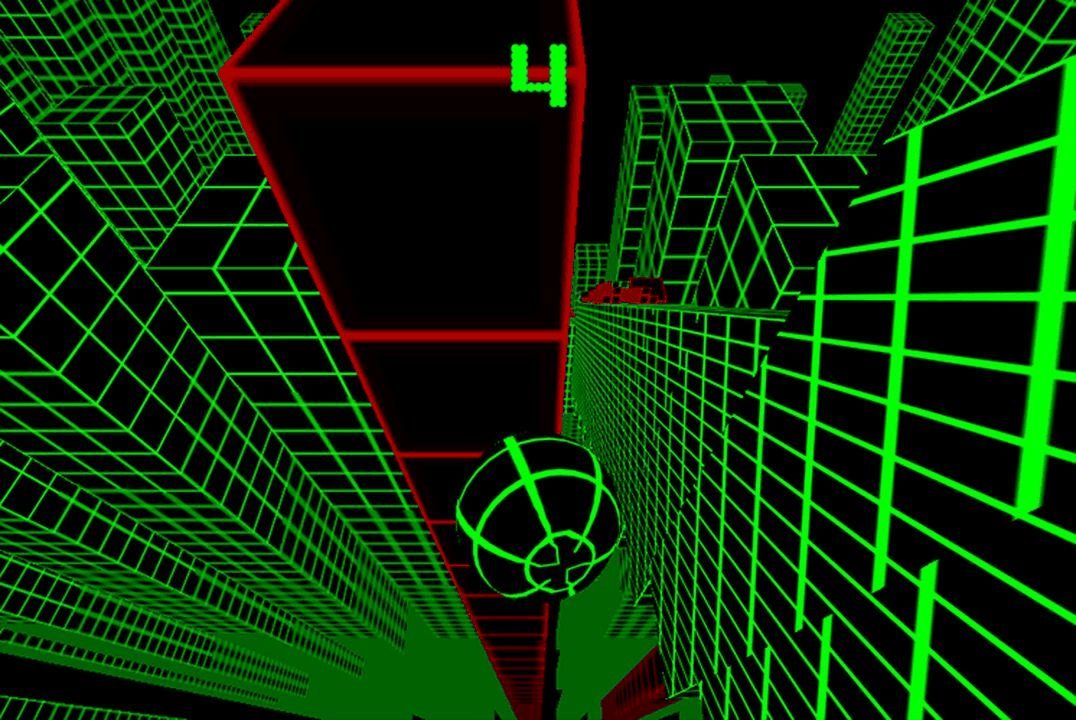
The green ball is below the underside of a red-edged platform in this authentic frame.
Describe what is visible first
The ball has dropped below the platform in this frame. To investigate a similar ending, watch the last supported moment: was the ball leaving a side, crossing a gap, or already touching red? That moment separates the three case files above.
OutcomeWhat ended the attempt: contact, side fall, missed floor, or an unclear event?
Previous decisionWhich route or input put the ball in that position?
Earlier informationWas the next usable surface visible when you chose the move?
One adjustmentChoose an earlier read, a shorter hold, or a different exit plan—not all three at once.
Stop the chain where the evidence stops. “I looked at the block and did not see the next platform” is a useful observation if you remember it. “The physics changed” is not a helpful conclusion from one surprising ending.
Try: “I saw ___ before ___; next time I will change ___.” If you only know the ending, write that and make the next attempt an observation run. There is no need to invent a detailed story to make a short run feel productive.
When the same adjustment helps more than once, keep it as a conditional rule. When it fails in a different feature, revisit the condition rather than discarding everything. The situational tips explain why good advice can stop fitting a new section.